
More Than a Fly Shop:
Ned Mayers, Western Anglers and the Pull of Fishing
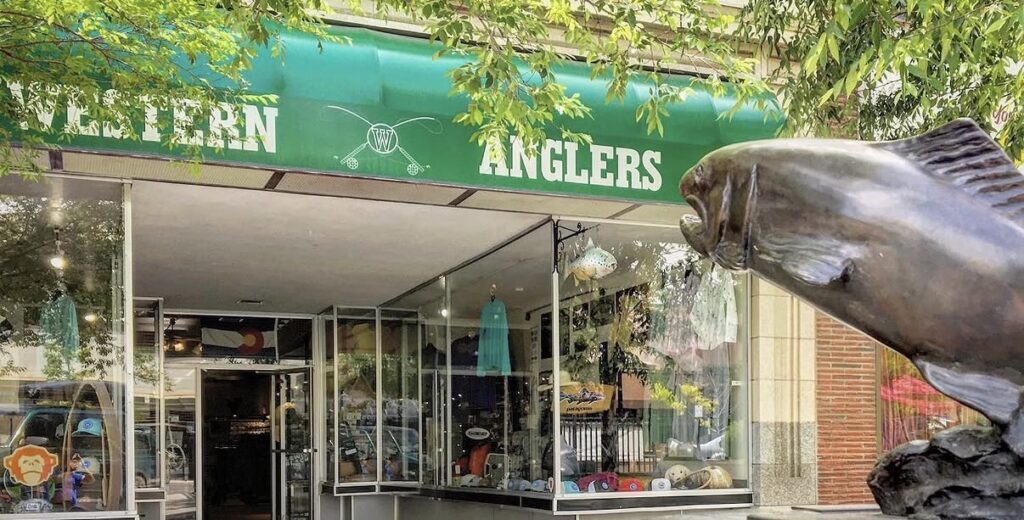
Walk into Western Anglers on Main Street in downtown Grand Junction and you’ll find plenty of what you’d expect—fly rods, reels, technical apparel, flies and gear from some of the best brands in the business.
But spend a little time talking with owner Ned Mayers, and it quickly becomes clear that selling gear is only part of what the shop is about.
It’s about sharing knowledge, helping someone catch their first fish, swapping stories from the water and welcoming anyone who walks through the door.
That philosophy has guided Western Anglers through more than three decades of serving Western Colorado’s fishing community and through Ned’s own unlikely journey from commercial roofing to fly-shop owner.
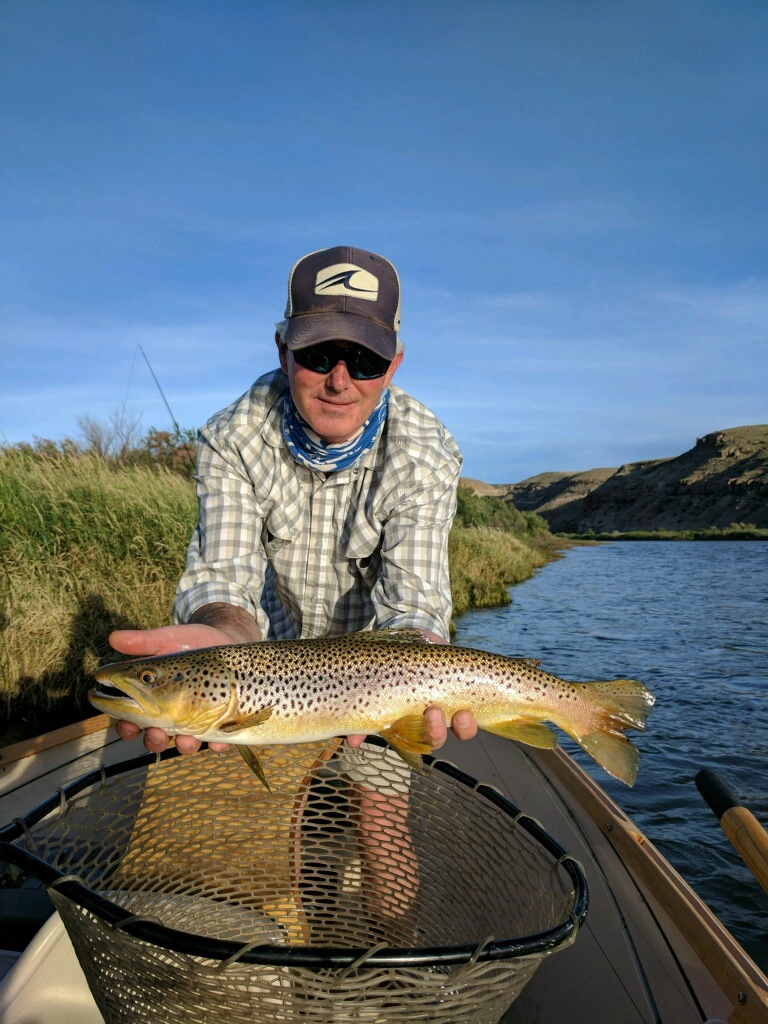
From Bass Fishing to Bonefish
Enough is Enough
Fishing Is a Little Weird
One of Ned’s favorite parts of owning the shop is the people who walk through its doors.
Construction workers. Doctors. College students. Lifelong anglers or people who have never touched a fly rod.
They may have little else in common, but fishing has a funny way of leveling the playing field.
“Fishing is a little weird,” Ned says. “You either have the drive to chase fish or you don’t.”
He sees that universal pull firsthand on the saltwater trips Western Anglers hosts. Someone may arrive surprised by the amount of gear, terminology and knowledge associated with fly fishing. Then they hook into the right fish—and come home completely addicted.
It’s why Ned and his team work hard to make Western Anglers approachable, particularly for beginners.
Someone starting from zero can quickly become overwhelmed by talk of leaders, tippets, weights, actions, hatches, nymphs, streamers and hundreds of different fly patterns. Western Anglers offers casting and rigging classes designed to strip away some of that intimidation.
Ned even encourages beginners to be minimalists.
Despite owning a store filled with flies, he’ll readily tell a new angler that they can get started with about a half-dozen proven patterns.
“There is no magic fly.”
Instead, learn how to properly present a few basic patterns. Get comfortable with your equipment. Develop your casting technique. Then start learning how to read the water.
That last piece takes time.
“Nothing replaces time on the water,” Ned says.
Once an angler learns to read water, he believes something clicks. A person can eventually arrive at an unfamiliar river almost anywhere in the world and begin breaking it down; identifying the runs, riffles, seams and holding water most likely to contain fish.
That’s when the sport really starts opening up.
Once an angler learns to read water, he believes something clicks. A person can eventually arrive at an unfamiliar river almost anywhere in the world and begin breaking it down; identifying the runs, riffles, seams and holding water most likely to contain fish.
That’s when the sport really starts opening up.
A Remarkable Place to Be an Angler
Ask Ned what excites him most about fly fishing in Western Colorado, and his answer comes quickly: diversity.
Within roughly 90 minutes of Grand Junction, anglers can reach tailwaters, freestone rivers, desert canyons, lakes, high-alpine streams and everything in between.
Ned keeps a mental “hit list” for every season, bouncing between rivers, lakes and species depending on conditions and time of year. And he has no problem putting some miles on the truck if there’s good water waiting at the other end.
That abundance is something he believes we shouldn’t take for granted.
Growth is good for business, but Ned also recognizes what happens when more people discover special places. He points to heavily pressured Front Range fisheries as an example of what he hopes Western Colorado can avoid, though he acknowledges that it may be inevitable.
His biggest concern for the future isn’t necessarily the number of anglers, though. It’s ensuring that Western Colorado maintains healthy river flows and protects the tremendous amount of public access we currently enjoy.
Looking 10 or 20 years down the road, his priority is straightforward:
Secure and protect public access now, before increased pressure makes doing so more difficult.
And that extends beyond fishing. Whether someone hunts, hikes, bikes, paddles or casts a fly rod, Ned sees access to public lands and waters as foundational to outdoor recreation in Western Colorado.
The Changing Face of Fly Fishing
Having spent decades around the sport, Ned has watched fly fishing evolve rapidly, especially over the last 20 years.
He compares it to golf or archery, where advancements in carbon fiber, resins and manufacturing have transformed the equipment. Rods are lighter and more responsive, fly lines cast better, reels are stronger and even hooks—particularly in the saltwater game—have become remarkably smaller and stronger.
The same is true for what anglers wear. Sun protection, quick-drying fabrics, moisture-wicking layers and lightweight insulation have made long days on the water safer and more comfortable. “The technology is advancing crazy quick,” Ned says.
Social media has brought a different kind of change. While Ned isn’t a big social media user personally, he recognizes its value enough to hire people who understand it from the business side. Still, he sees both the good and bad.
What Ned has less patience for is the impulse to share everything online—and then complain when a favorite fishing spot suddenly gets crowded. “Spot burning,” or posting a big fish while deliberately revealing where it was caught, has become a real issue.
It’s one of the interesting contradictions of modern fly fishing. Technology has made anglers more capable than ever, while social media has made the places they fish more discoverable than ever.
The gear will undoubtedly keep getting lighter, stronger and better. But preserving some of the mystery that makes fishing special may ultimately depend on anglers knowing when not to share.
There’s Plenty of Water—Go Explore It
With access comes responsibility.
Ned believes some of the challenges associated with increased use can be addressed through something surprisingly simple: better etiquette and education.
Western Colorado still offers miles upon miles of fishable water. There’s rarely a reason to crowd another angler.
If someone is working a productive run or riffle, give them some room. If you’re unsure whether you’re too close, ask.
And if the person next to you is catching fish while you aren’t?
Ask them what they’re using.
Ned says most anglers—including himself—will happily tell you what’s working and might even hand you the fly that’s catching fish.
That willingness to share information is central to Western Anglers.
The Next Generation
That welcoming philosophy may become even more important as a younger generation discovers the sport.
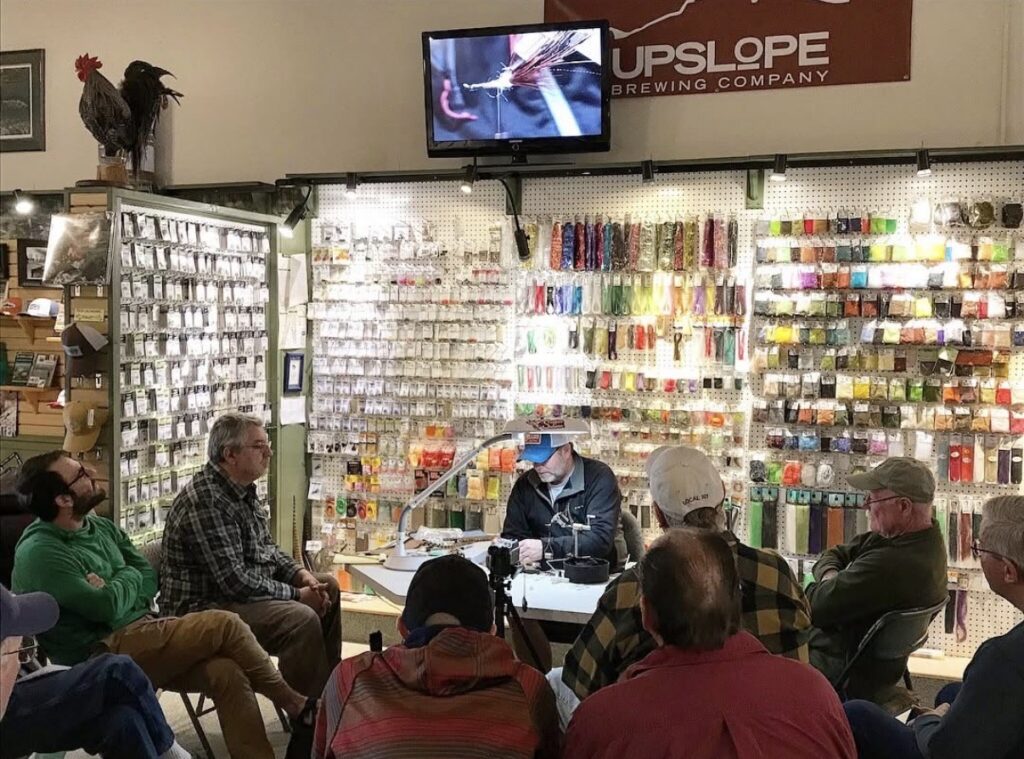
Ned is encouraged by the number of Colorado Mesa University (CMU) students coming through the shop and getting interested in fishing. CMU now has a fishing club, and Western Anglers has helped create opportunities such as college fly-tying nights that give younger anglers a place to learn and connect.
The future of the shop itself may eventually follow a similar generational path. Ned is keeping his exit strategy intentionally fluid, but interest from younger anglers and hunters who have become part of the Western Anglers family gives him confidence that the business can continue with people who share its values.
And after more than a decade as owner, and a lifetime spent chasing fish, Ned still gets excited about the same things.
He loves to fish.
He loves to talk about fishing.
And perhaps most importantly, he loves helping other people become successful anglers.
A FEW CASTS WITH NED:
Favorite fish to chase: Tarpon
Dry fly, nymph or streamer: Dries are the most fun
River or lake: River
Favorite season to fish: Fall
One fly he won’t leave home without: PMX
Most underrated fish on a fly: Carp
Dream destination: The Seychelles, off the east coast of Africa